
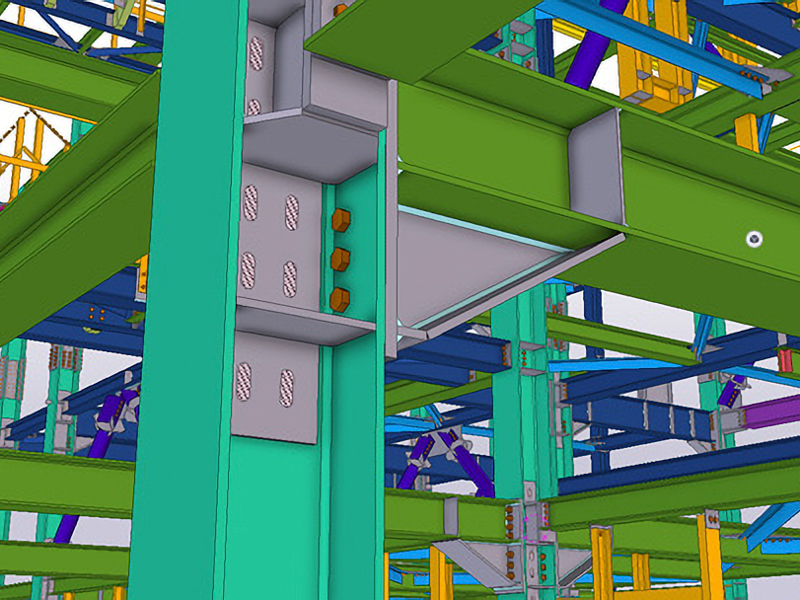
At the heart of our work is our open mindset to problem solving, never predetermined nor biased. We are always willing to consider alternative ways to arriving at a best for project outcome. With close workshop collaboration, our design undergoes an iterative process, yet influenced by experience of materials, availability, buildability, quality and cost. As the design converges, so does certainty of the final solution. Through our in-depth knowledge of procurement and construction, we provide robust, high-quality information that mitigates risk and ensures project certainty.
Samuely deliver structural engineering design services for all stages, concept through to completion, working on everything from domestic homes to large-scale mixed-use developments. Our portfolio spans both new builds and complex restorations and refurbishments of historic buildings, across a wide range of sectors, including residential (private, affordable), commercial office, retail, leisure, later living, education, PBSA and government. Samuely’s close collaboration with clients, architects and contractors, enables us to combine a creative, design-led approach with a deep understanding of procurement, commercial priorities and construction methods. We are able to consistently deliver efficient, high-value spaces that perform architecturally, structurally, and economically.
Our civil engineering team works closely with our structural engineers to play a critical role in delivering resilient, cost-effective infrastructure that creates lasting value for communities and the environment. From the outset through to construction and beyond, our designs consider flood risk, future environmental factors and very often incorporates Sustainable Drainage Systems (SuDS), including manmade solutions such as attenuation systems, green roofs and permeable paving, and if applicable, natural landscape solutions such as ponds and swales. Our hard landscaping solutions carefully consider the requirements of the landscape architect (paving design, etc) and architect (levels, etc) to meet load ratings for various end use and available build-ups. We are able to cater to projects of varying size and complexity, from small domestic extensions to large new builds and repurposed assets, from green fields sites to congested, inner city sites with existing constraints.
At the forefront of digital engineering, our consultancy leverages cutting-edge Building Information Modelling (BIM) to deliver smarter, faster, and more coordinated structural solutions. From concept to construction, we integrate 2D and 3D modelling, clash detection, and real-time collaboration to streamline workflows, reduce risk, and drive efficiency. Whether it’s a private domestic residential project, or complex refurbishment of a Grade 1 listed building, our BIM expertise ensures precision, transparency, and seamless integration across all project stages to ensure certainty for fellow designers, contractors and clients alike.
2D local and 3D global finite element analysis to gain an understanding of the structure’s behaviour.
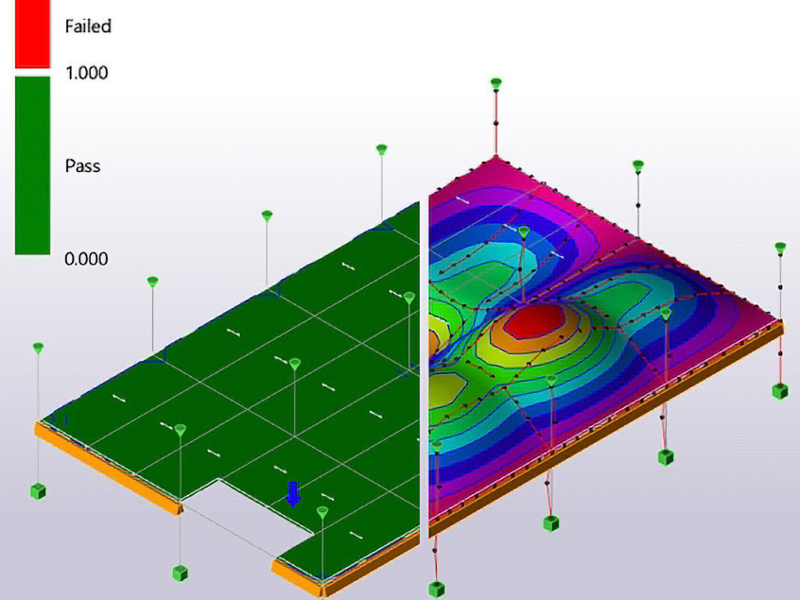
Buildings, particularly those with long spans or with light floor construction, may be susceptible to footfall vibration.
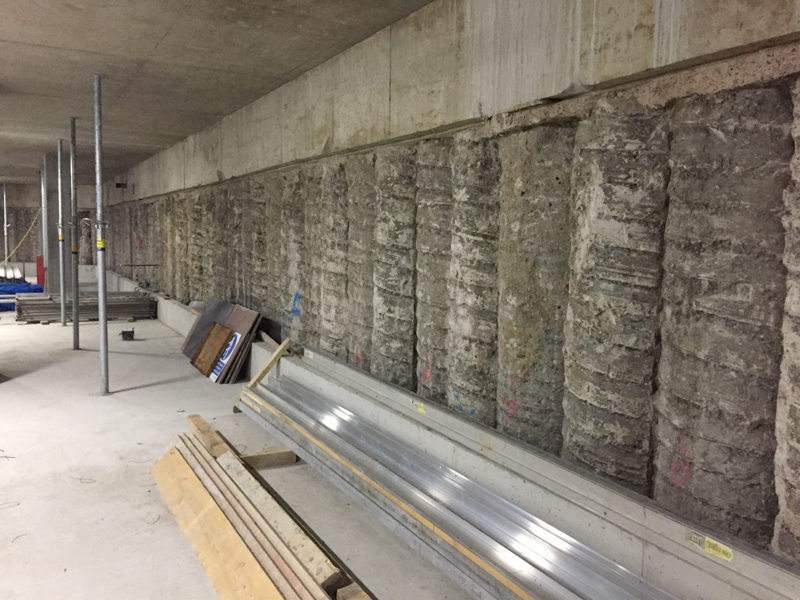
Despite their expense to superstructure costs, basements continue to offer valuable space to building owners.
Developing in built-up areas will involve protection and management of neighbouring third party assets.
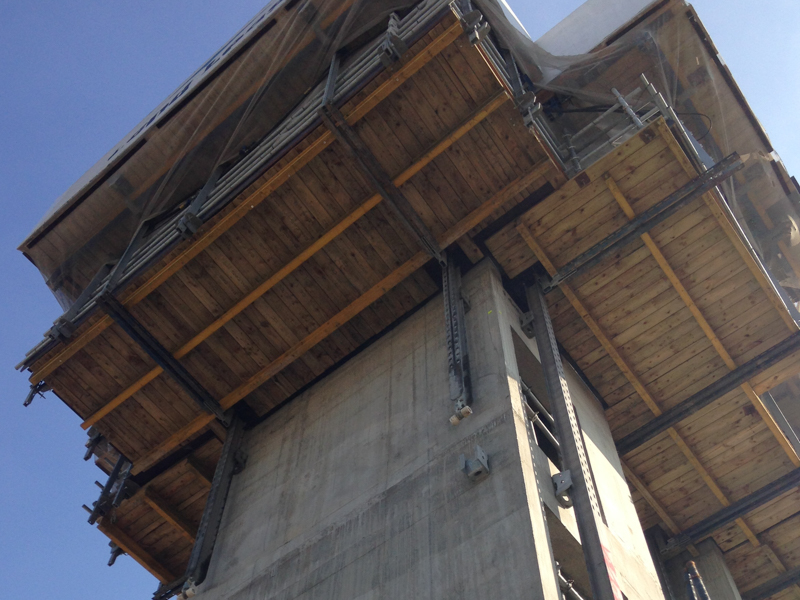
Samuely are adept at designing efficient stability systems which promote cost-effective building design.
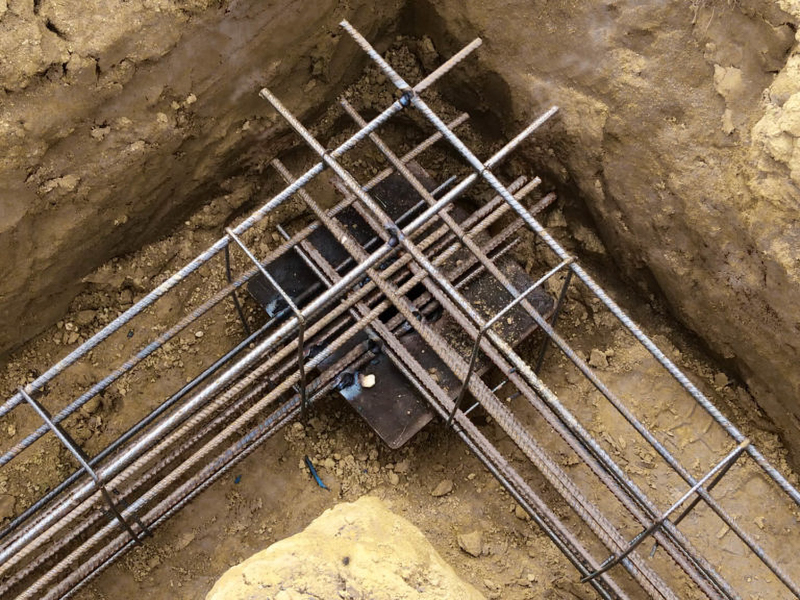
Choosing the right type of foundation system is essential, requiring careful consideration of ground conditions.
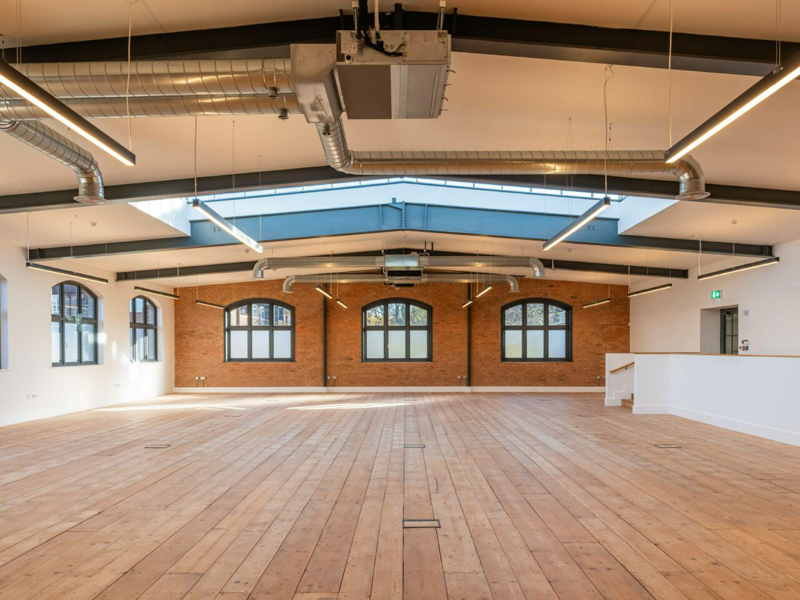
Long-span roof structures are required when there is a need for large open, column-free spaces.
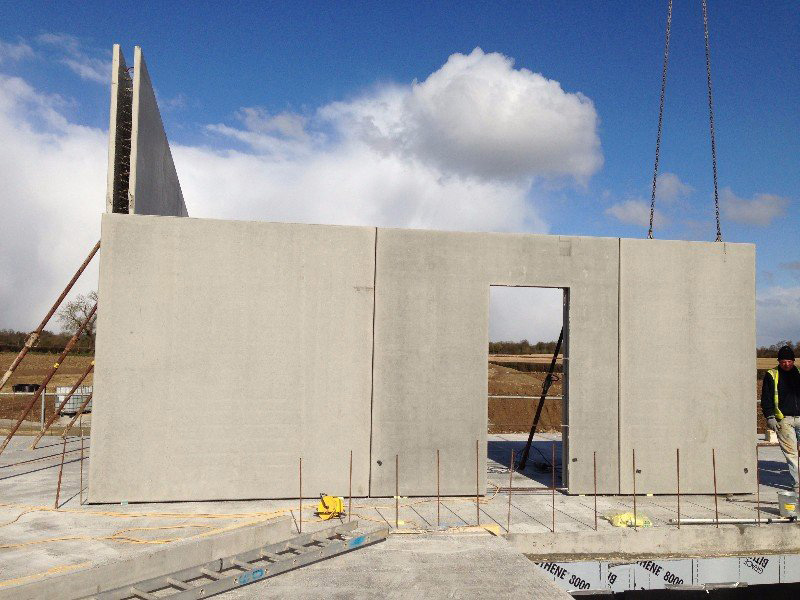
Samuely supports the drive for structures adopting Modern Methods of Construction (MMC).

Buildings have a ‘design life’ and When damage occurs repair and remedial work is required.
Samuely have built a strong portfolio of experience of in-situ investigation and sympathetic design.
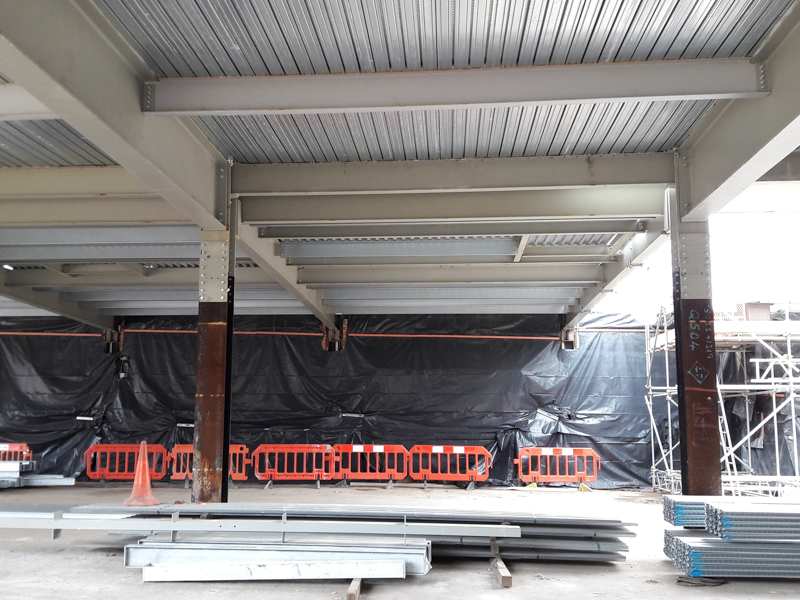
At Samuely we provide specialist expertise in structural alterations to new builds and existing buildings.
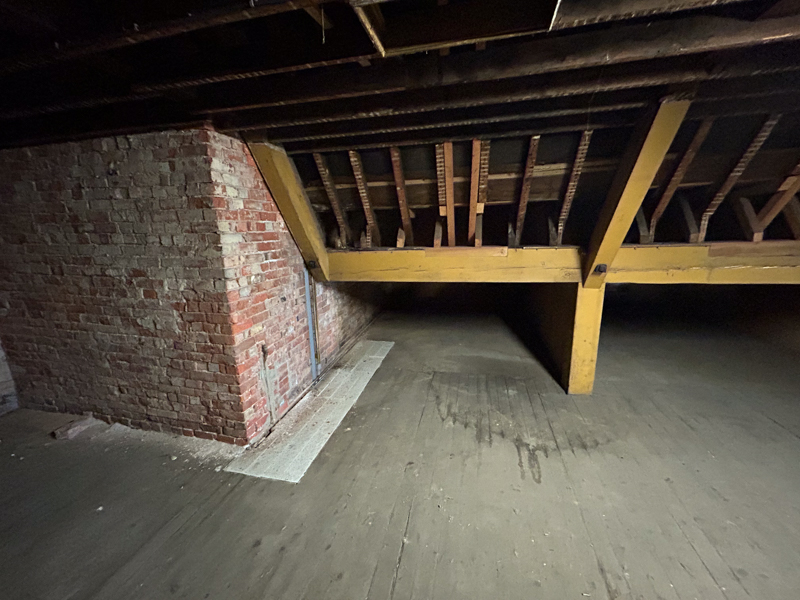
At times Samuely needs to gain a better understanding of what the structure is doing.
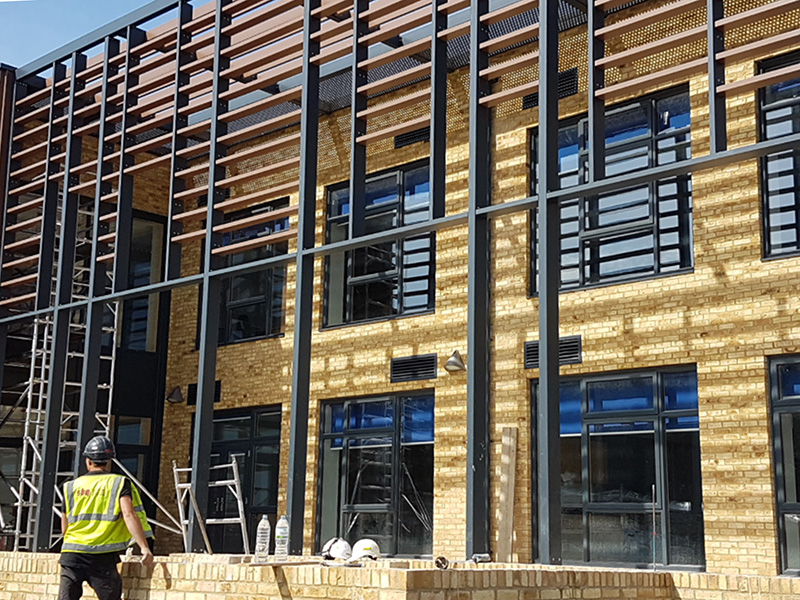
Samuely provide purposeful, efficient assemblies which are coordinated with the primary structure.
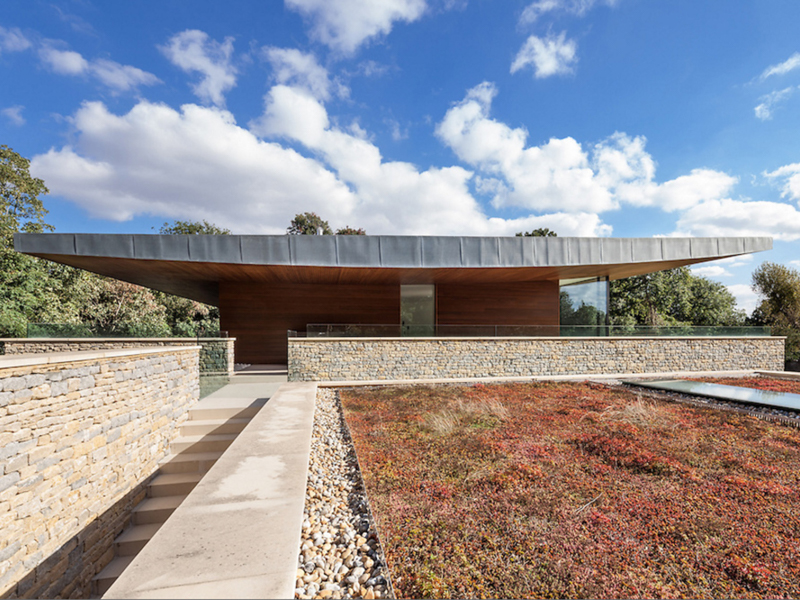
Samuely provide indicative quantities at the early stages of design. In later stages we then use volumetric take-offs.